
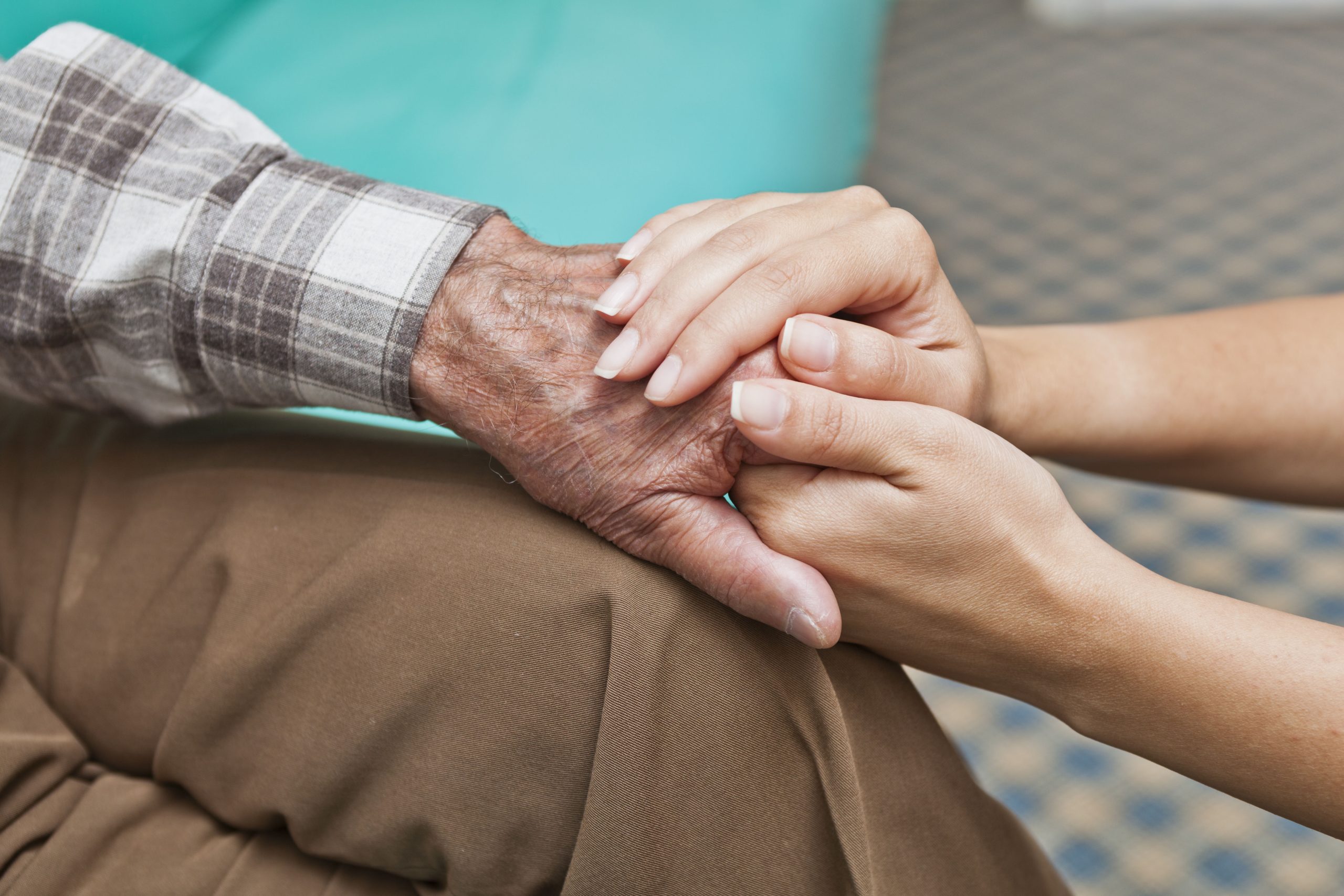
The transition into the later stages of life brings about a unique set of challenges and opportunities that require a thoughtful approach to housing and care. For many aging adults and their families, the decision to move from a long-time family home into a professional care environment is one of the most significant life changes they will ever navigate. While the process can be emotional, the primary goal is always to enhance the quality of life, ensure safety, and foster a sense of belonging. Modern senior living facilities have evolved far beyond the clinical environments of the past, offering vibrant communities that prioritize the physical, emotional, and social well-being of every resident. Understanding the specific ways these communities support the aging process can help families see this transition not as a loss of independence, but as a proactive step toward a more supported and fulfilling lifestyle.
One of the most immediate benefits of this transition is the relief from the physical and mental toll of managing a household alone. As we age, the tasks that once seemed routine can become burdensome or even hazardous. From managing multiple prescriptions to maintaining a large property, the “invisible labor” of daily life can distract from the joys of retirement. Professional environments are designed to absorb these responsibilities, allowing residents to focus their energy on hobbies, relationships, and personal growth. By creating an infrastructure of support that adapts to the changing needs of the individual, these communities provide a foundation for aging with dignity and grace, ensuring that help is always available without being intrusive.
Assisting with Essential Activities of Daily Living
As the body ages, certain physical tasks that were once second nature can become increasingly difficult to perform safely and independently. This decline in physical capability is a common part of the aging process, yet it often causes significant stress for seniors who wish to maintain their self-esteem. High-quality senior living facilities provide a discreet and respectful layer of support for these personal tasks, known as activities of daily living. This assistance is tailored to the specific needs of each resident, ensuring they receive help only where it is needed while encouraging independence in all other areas. This balance is crucial for maintaining a resident’s sense of agency and confidence during their daily routines.
The need for this type of specialized support is widely recognized within the industry. According to The Senior List, 64% of assisted living residents have trouble with at least one activity of daily living, with bathing being the most prominent. Recognizing this reality, professional care teams are trained to provide assistance with bathing, dressing, and grooming in a way that prioritizes the resident’s privacy and comfort. By having trained staff available to help with these intimate tasks, the risk of falls in the bathroom—one of the most common causes of injury for seniors—is significantly reduced. This support allows residents to start their day feeling refreshed and confident, knowing that their physical needs are being met with professional care and compassion.
Providing Comprehensive Wellness and Medical Oversight
Health management becomes increasingly complex as we get older, often involving multiple specialists, various diagnostic tests, and a rigorous schedule of medications. For an aging adult living alone, keeping track of these medical requirements can be overwhelming and can lead to dangerous errors. Professional senior living facilities offer a centralized approach to wellness that removes the guesswork from healthcare. Staff members are often available to coordinate appointments, provide transportation to clinics, and ensure that all medical records are up to date. This holistic oversight ensures that minor health issues are identified and addressed before they escalate into major crises, providing a level of preventative care that is difficult to achieve in a traditional home setting.
Medication management is another critical component of the wellness support provided in these communities. Many seniors take several different prescriptions daily, each with specific timing and dietary requirements. Professional caregivers utilize sophisticated tracking systems to ensure that every resident receives the correct dosage at the right time, virtually eliminating the risk of missed doses or harmful drug interactions. Furthermore, many communities offer on-site therapy services, such as physical or occupational therapy, which help residents maintain their strength and mobility. This integrated approach to health means that residents don’t just live longer; they live better, with a higher level of physical vitality and a reduced risk of hospital readmission due to unmanaged chronic conditions.
Creating Opportunities for Meaningful Social Connectivity
Social isolation is one of the most significant health risks facing aging adults today, with research suggesting that loneliness can be as detrimental to physical health as smoking or obesity. When a senior lives alone, their social circle often shrinks due to mobility issues, the loss of a spouse, or the relocation of friends and family. Senior living facilities are specifically designed to combat this isolation by creating a “built-in” community of peers. From organized clubs and fitness classes to casual gatherings in common areas, residents are surrounded by opportunities to build new friendships and engage in stimulating conversations. This social environment provides a sense of purpose and belonging that is essential for mental health and cognitive function.
The structured social calendar of a modern community ensures that there is always something to look forward to. Whether it’s a musical performance to enjoy together, a fun trip to the ice cream shop, or a simple game of bridge in the afternoon, these activities keep the mind sharp and the spirit high. Engaging with others who are navigating similar life stages provides a unique form of emotional support that family members, despite their best efforts, cannot always provide. By fostering an environment where social interaction is easy and accessible, these communities help residents maintain their communication skills and emotional resilience. The vibrant social life found within these walls is often cited by residents as the most transformative aspect of their move, as it restores a sense of joy and connection to their daily lives.
Maintaining a Secure and Accessible Living Environment
Physical safety is a primary concern for the families of aging adults, especially those living in older homes with stairs, high-threshold bathtubs, or poor lighting. A family home that was perfect for raising children often becomes a series of obstacles and hazards for someone with limited mobility or vision. Modern senior living facilities are engineered from the ground up with “universal design” principles that prioritize safety and accessibility. This includes wide hallways to accommodate walkers or wheelchairs, grab bars in bathrooms, lever-style door handles, and bright, consistent lighting throughout the property. These features allow residents to move freely and safely throughout their environment, reducing the constant fear of tripping or falling.
Beyond the physical design of the building, these communities offer the security of 24-hour staffing and emergency response systems. Every apartment is typically equipped with emergency pull cords or wearable pendants that allow a resident to call for help instantly. Whether it is a medical emergency in the middle of the night or a simple slip, knowing that trained professionals are just seconds away provides immense peace of mind for both the resident and their loved ones. This layer of security allows seniors to live with a greater sense of freedom, as they are no longer restricted by the anxieties of being alone in a crisis. The environment is designed to be a “safety net” that remains invisible during good times but is immediately responsive when a need arises.
The transition into a professional care community is a strategic choice that prioritizes the long-term health and happiness of aging adults. By providing a comprehensive system of support that includes physical assistance, medical oversight, social engagement, and physical security, these environments empower seniors to live their best lives. At Calvin Community, we are committed to providing compassionate, individualized care rooted in our mission and values. Our team understands the unique needs of each resident and works diligently to create an environment where individuals feel at home, safe, and truly valued. Guided by our faith-based foundation, we strive to support not only physical well-being, but also social, spiritual, and emotional health.
By easing the burdens of daily chores and health concerns, we promote independence while ensuring residents receive the right level of support as their needs evolve. We are dedicated to fostering a warm, connected community where dignity is honored, relationships flourish, and each person is empowered to live with purpose, comfort, and a strong sense of belonging.